Every article published on Steeds, newest first: remote peoples, the oceans, environment and innovation, and history’s unsolved questions.
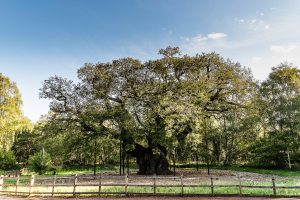 Was Robin Hood Real? What the Records and the Ballads SayRobin Hood is first mentioned in a poem of the 1370s, and the earliest surviving ballads date from the late 1400s. Court records name outlaws called Robert Hod as early as 1226, but none can be proved to be him.
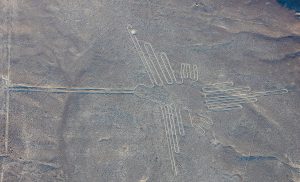 Solving History with Olly Steeds: The 2010 Series and Its Eight MysteriesSolving History with Olly Steeds premiered on the Discovery Channel on 13 January 2010. Its eight episodes went after the Ark of the Covenant, the Nazca Lines, El Dorado, Atlantis, the Amber Room and more.
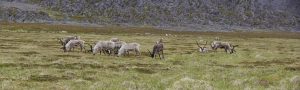 Reindeer Herders of the North: How Sámi Herding Works TodayAbout 100,000 people herd reindeer across the circumpolar North. In Norway and Sweden only Sámi may do it; in Finland any EU citizen can, within 56 herding districts.
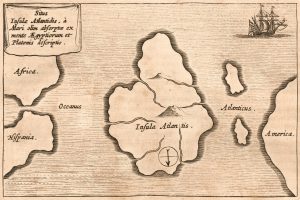 Atlantis: Fabled City or Ancient Civilization?Everything known about Atlantis comes from two dialogues Plato wrote around 360 BC. Classicists agree the story is fiction, but they still debate what inspired it, from the Thera eruption to a sunken Greek town.
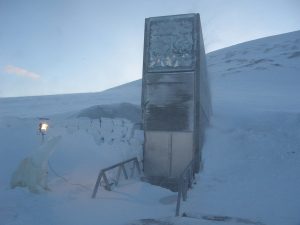 Inside the Svalbard Seed Vault, the World’s Backup for CropsDug 130 metres into an Arctic mountain and kept at −18 °C, the Svalbard Global Seed Vault holds 1.35 million seed samples. Seeds have been taken out only twice, for Syria’s gene bank.
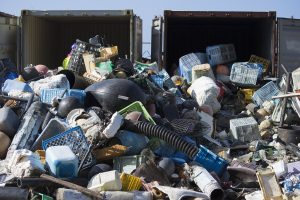 The Great Pacific Garbage Patch Is Not an Island. Here Is What It IsThe Great Pacific Garbage Patch is not a floating island but a vast, thin soup of plastic. Researchers estimated it at 1.6 million km² and up to 129,000 tonnes of plastic in 2018.
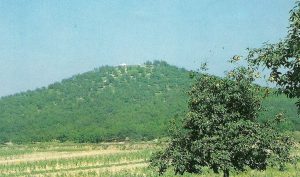 The Unopened Tomb of China’s First EmperorThe Terracotta Army was found by well diggers in 1974, but the tomb of Qin Shi Huang beside it has never been excavated. High mercury levels in the mound match an ancient account of rivers of mercury.
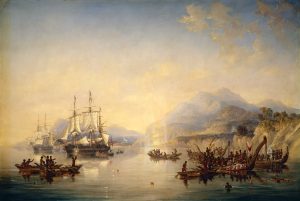 Franklin’s Lost Expedition: 129 Men, Two Ships and a 170-Year SearchIn 1845 Sir John Franklin sailed to find the Northwest Passage with 129 men. None came back. The wrecks of his ships Erebus and Terror were found only in 2014 and 2016.
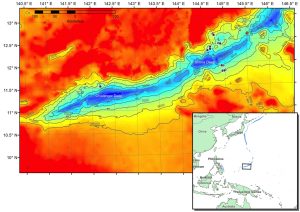 What Lives at the Bottom of the Mariana Trench, and What We Left ThereAt nearly 11 km down, the Mariana Trench holds snailfish, giant amphipods and single-celled giants. It also holds PCBs, microplastics and, since 2019, a reported plastic bag.
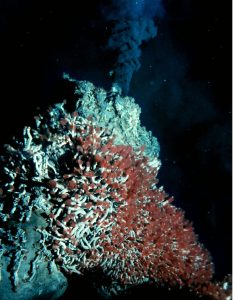 Hydrothermal Vents: Life on the Sea Floor Without SunlightOn the deep sea floor, water heated by volcanic rock pours out at up to 464 °C. Around these vents live tube worms, shrimp and clams fed not by sunlight but by bacteria living on chemicals.
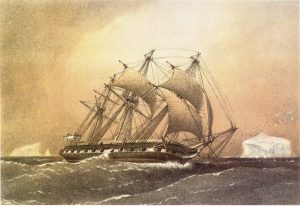 The Challenger Expedition: The Voyage That Founded OceanographyFrom 1872 to 1876 HMS Challenger sailed 127,580 km round the world, took 492 deep-sea soundings and found about 4,700 new species. It also measured the first depth of the Challenger Deep.
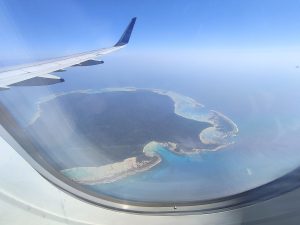 Uncontacted Peoples: Who They Are and Why Contact Is DangerousSurvival International found evidence of 196 uncontacted peoples in ten countries in 2025, 124 of them in Brazil. Most know the outside world exists and choose to avoid it.
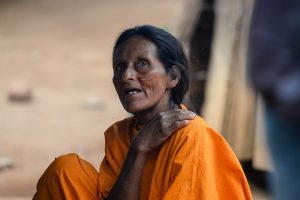 The Matsigenka of the Peruvian Amazon: Gardens, Rivers and a Gas FieldAbout 18,000 Matsigenka live on the eastern slopes of the Andes and in the Amazon lowlands of south-eastern Peru. Once hunter-gatherers, most now farm, and the Camisea gas field has changed their land.
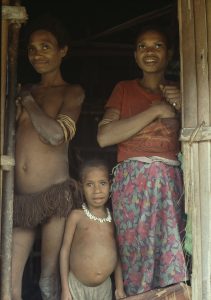 The Korowai: Tree Houses, Sago and First Contact in 1974About 4,000 Korowai live in the forests of southern Papua, most of them in tree houses. Western scientists first documented contact with a Korowai band in March 1974.
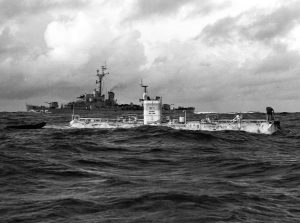 Going Deep: The Crewed Dives to the Bottom of the Challenger DeepThe Challenger Deep in the Mariana Trench is the deepest point on Earth. Two men first reached it in the bathyscaphe Trieste in 1960; nobody returned until James Cameron in 2012, and since 2019 the dives have become more frequent.
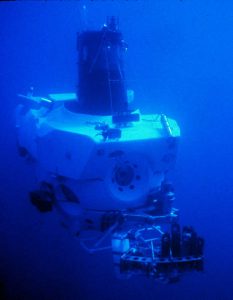 Alvin: The Small Submarine That Opened Up the Deep OceanSince 1964 the research submersible Alvin has made more than 5,200 dives with two scientists and a pilot aboard. It found hydrothermal vents in 1977 and explored the Titanic in 1986.
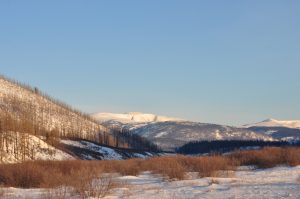 Why No One Has Found the Tomb of Genghis KhanGenghis Khan died in August 1227, and his grave has never been found. Legends say everyone who knew its place was killed; historians believe it lies near Burkhan Khaldun, Mongolia’s most sacred mountain.
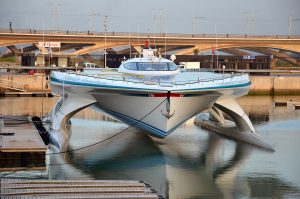 PlanetSolar: The First Boat to Sail Around the World on Solar PowerOn 4 May 2012 the catamaran Tûranor PlanetSolar returned to Monaco after 584 days, the first solar electric vehicle to go around the globe. Its 537 m² of panels powered two electric motors.
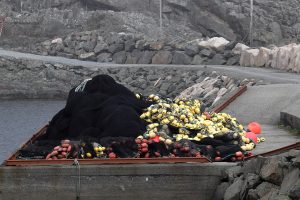 Plenty More Fish in the Sea? What the Collapse of the Atlantic Cod ShowedIn 1992 the northern cod off Newfoundland fell to 1% of its historic level and Canada closed a fishery that had shaped its east coast for 500 years. It remains the best-known warning about overfishing.
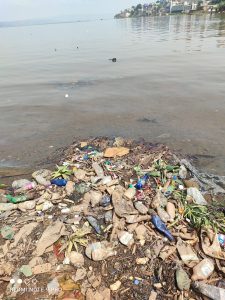 Can Waste Plastic Be Turned Back Into Fuel?Heating plastic without oxygen can break it down into a synthetic fuel. The technology works, and synthetic diesel from plastic is made commercially, but it has struggled to compete with simply burning the waste.
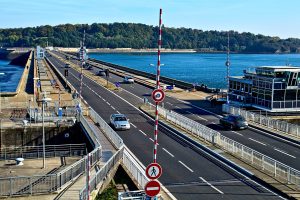 Turning the Tide: How Tidal Power Stations Make ElectricityTides are more predictable than wind or sunshine. France’s Rance station has turned them into electricity since 1966, South Korea’s Sihwa Lake since 2011, and Scotland’s MeyGen uses turbines on the seabed.
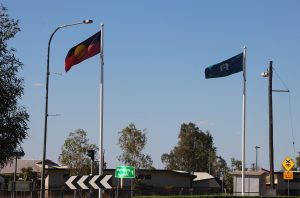 Who Counts as Aboriginal? How Australia Has Defined Aboriginal IdentityAustralian governments used at least 67 different definitions of who is Aboriginal before 1991. Since the Mabo judgment of 1992, a three-part test of descent, self-identification and community recognition has been used.
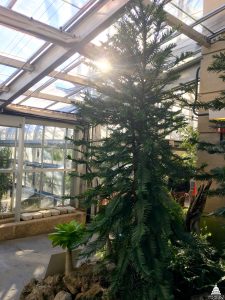 The Wollemi Pine: A Tree Found in a Hidden Australian CanyonIn 1994 a tree unknown to science was found in remote sandstone gorges of Wollemi National Park, 150 km north-west of Sydney. The Wollemi pine is critically endangered in the wild but now grows in gardens around the world.
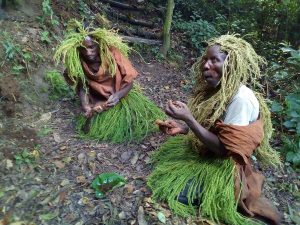 Conservation Refugees: When Protecting Nature Means Moving People OutWhen national parks and reserves are created on inhabited land, the people who lived there are often moved out. They are called conservation refugees, and their cases have shaped a long debate about how nature should be protected.
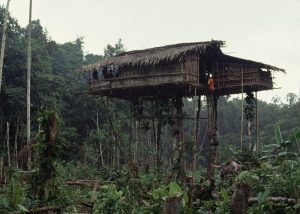 Life in the Tree Houses: How the Kombai of South Papua LiveAbout 5,650 Kombai live in clan territories in South Papua’s Mappi Regency, where families build their homes in pruned trees 3 to 15 metres above the forest floor.
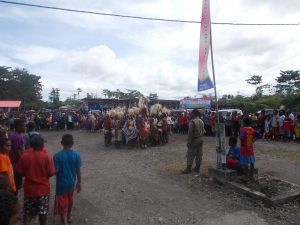 Who Are the Mek? The Mountain People of Highland PapuaThe Mek live in the mountains of Yahukimo Regency in Indonesia’s Highland Papua and speak languages of the Mek family, first identified in 1967. Their region became known to television audiences in 2008 through the series Living with the Mek.