Reindeer Herders of the North: How Sámi Herding Works Today
About 100,000 people herd reindeer across the circumpolar North. In Norway and Sweden only Sámi may do it; in Finland any EU citizen can, within 56 herding districts.
How peoples in remote regions live, the languages they speak, and the decisions made elsewhere that affect their land.
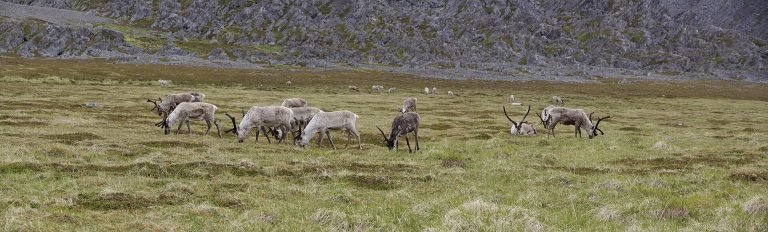
About 100,000 people herd reindeer across the circumpolar North. In Norway and Sweden only Sámi may do it; in Finland any EU citizen can, within 56 herding districts.
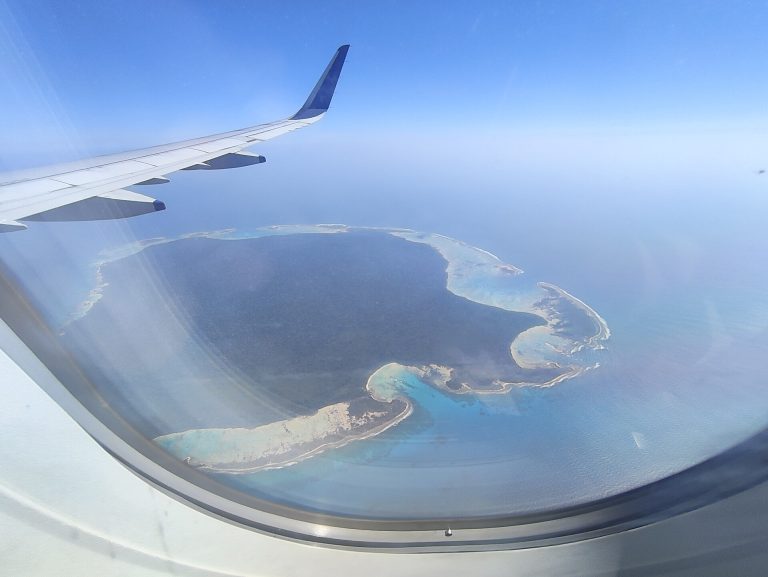
Survival International found evidence of 196 uncontacted peoples in ten countries in 2025, 124 of them in Brazil. Most know the outside world exists and choose to avoid it.
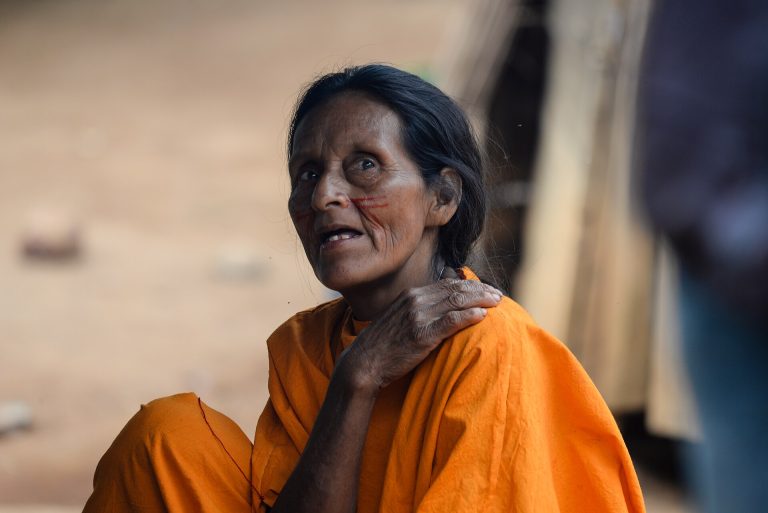
About 18,000 Matsigenka live on the eastern slopes of the Andes and in the Amazon lowlands of south-eastern Peru. Once hunter-gatherers, most now farm, and the Camisea gas field has changed their land.
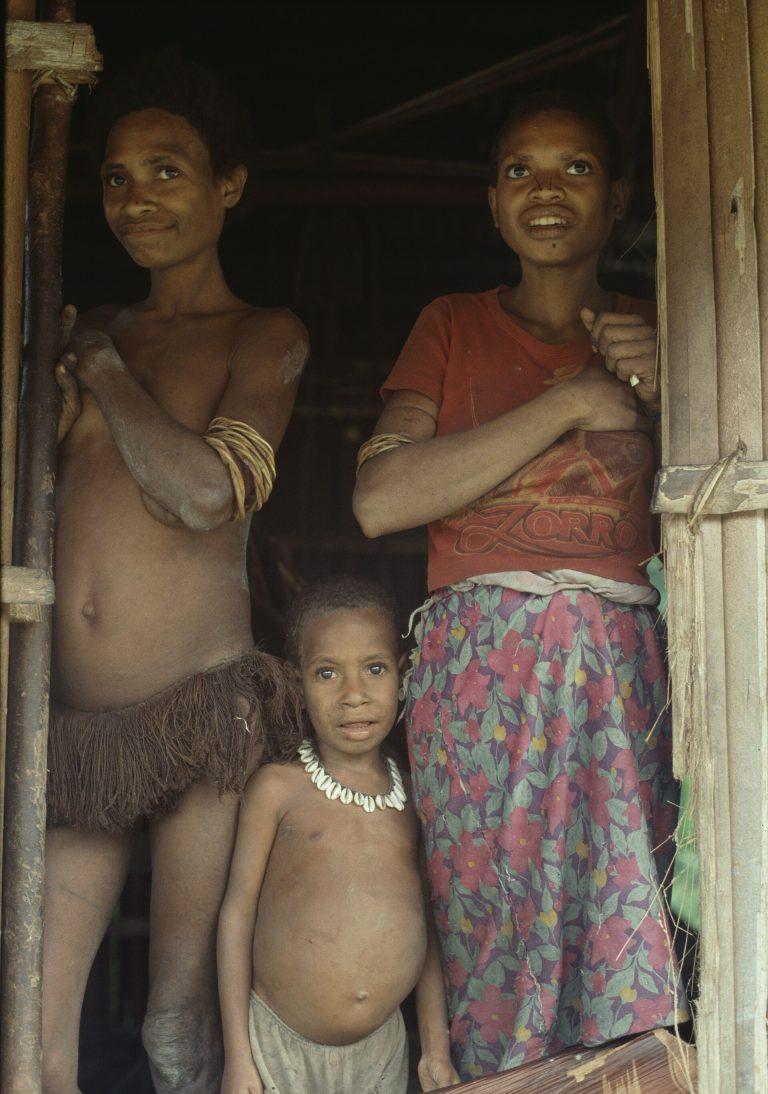
About 4,000 Korowai live in the forests of southern Papua, most of them in tree houses. Western scientists first documented contact with a Korowai band in March 1974.
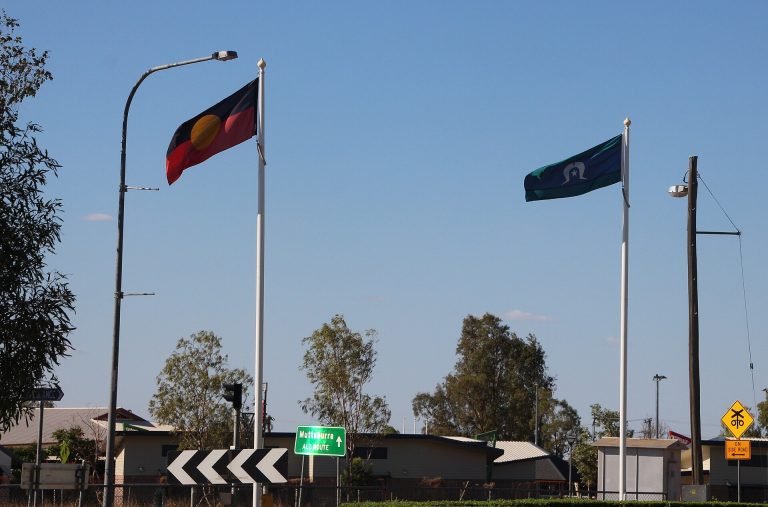
Australian governments used at least 67 different definitions of who is Aboriginal before 1991. Since the Mabo judgment of 1992, a three-part test of descent, self-identification and community recognition has been used.
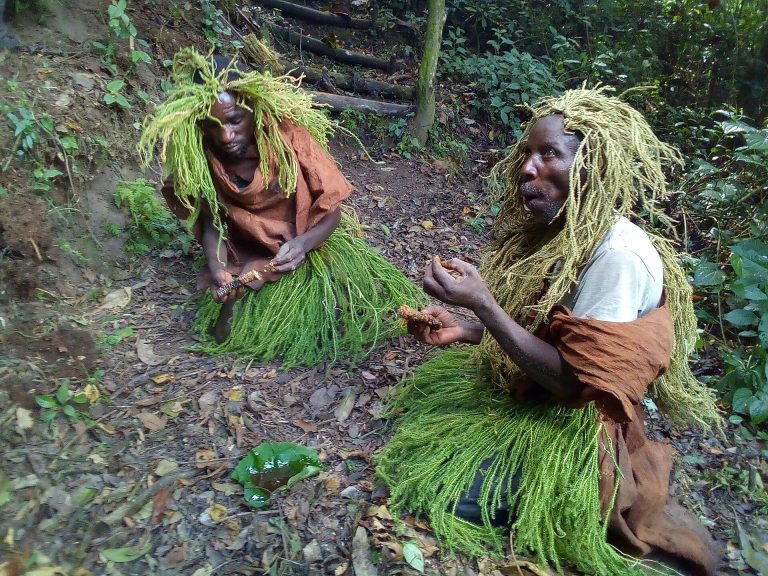
When national parks and reserves are created on inhabited land, the people who lived there are often moved out. They are called conservation refugees, and their cases have shaped a long debate about how nature should be protected.
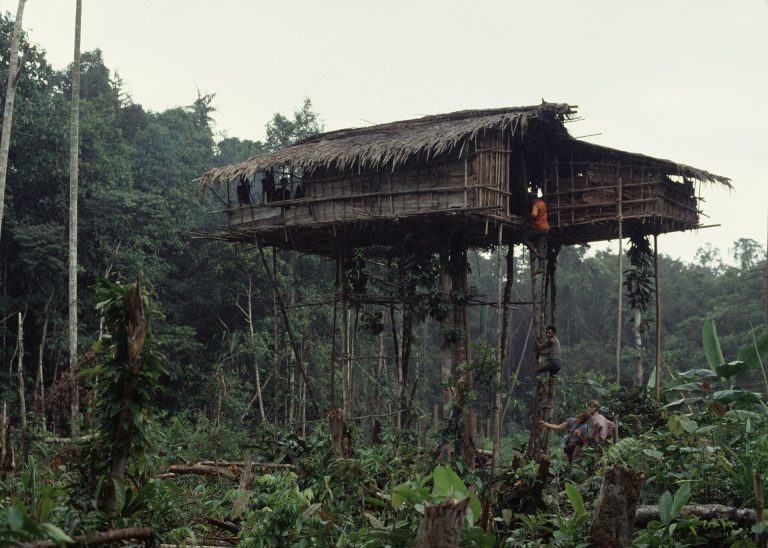
About 5,650 Kombai live in clan territories in South Papua’s Mappi Regency, where families build their homes in pruned trees 3 to 15 metres above the forest floor.
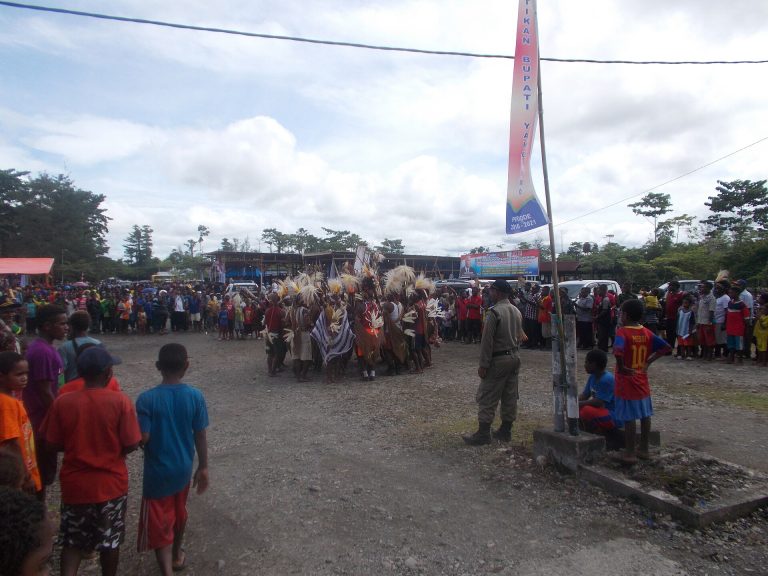
The Mek live in the mountains of Yahukimo Regency in Indonesia’s Highland Papua and speak languages of the Mek family, first identified in 1967. Their region became known to television audiences in 2008 through the series Living with the Mek.