What Lives at the Bottom of the Mariana Trench, and What We Left There
At nearly 11 km down, the Mariana Trench holds snailfish, giant amphipods and single-celled giants. It also holds PCBs, microplastics and, since 2019, a reported plastic bag.
Deep-sea exploration, crewed submersibles, fisheries and the state of the seas.
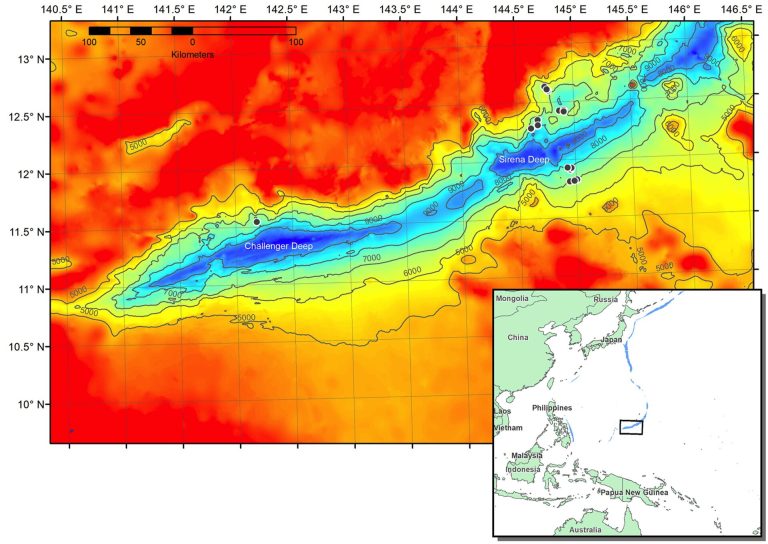
At nearly 11 km down, the Mariana Trench holds snailfish, giant amphipods and single-celled giants. It also holds PCBs, microplastics and, since 2019, a reported plastic bag.
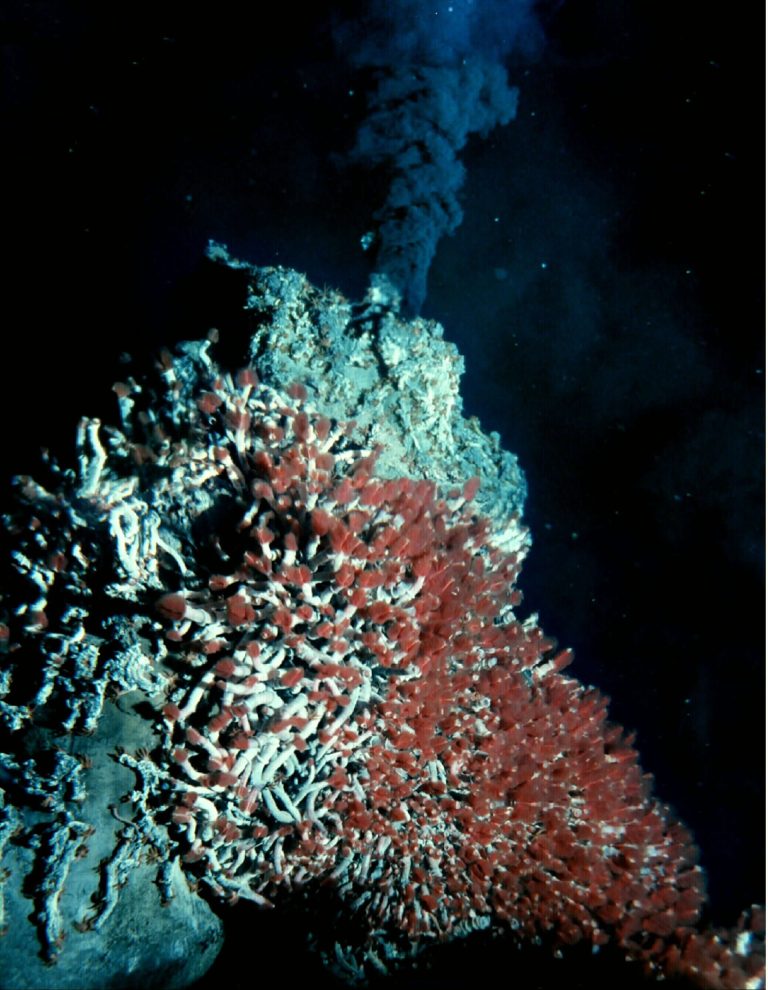
On the deep sea floor, water heated by volcanic rock pours out at up to 464 °C. Around these vents live tube worms, shrimp and clams fed not by sunlight but by bacteria living on chemicals.
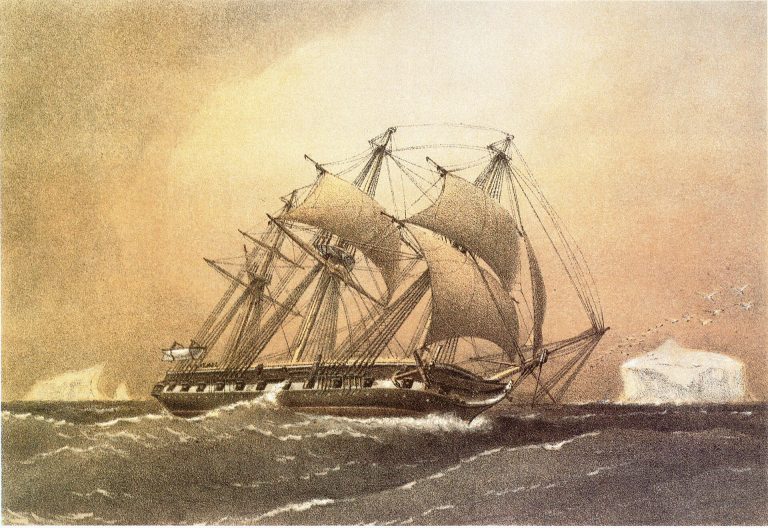
From 1872 to 1876 HMS Challenger sailed 127,580 km round the world, took 492 deep-sea soundings and found about 4,700 new species. It also measured the first depth of the Challenger Deep.
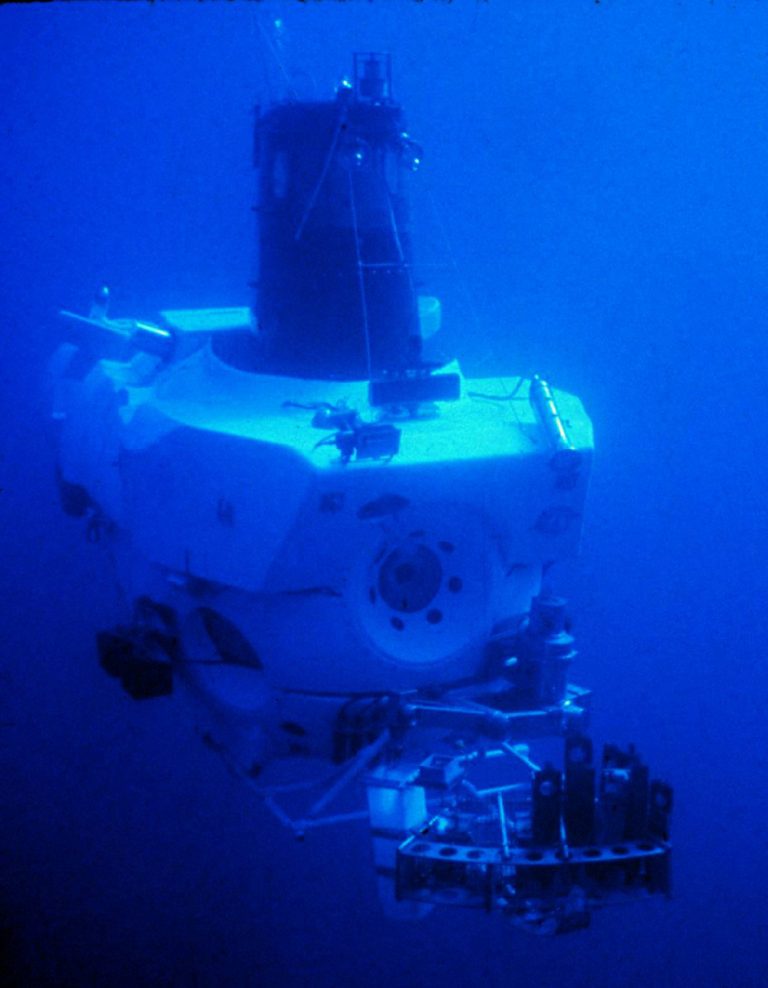
Since 1964 the research submersible Alvin has made more than 5,200 dives with two scientists and a pilot aboard. It found hydrothermal vents in 1977 and explored the Titanic in 1986.
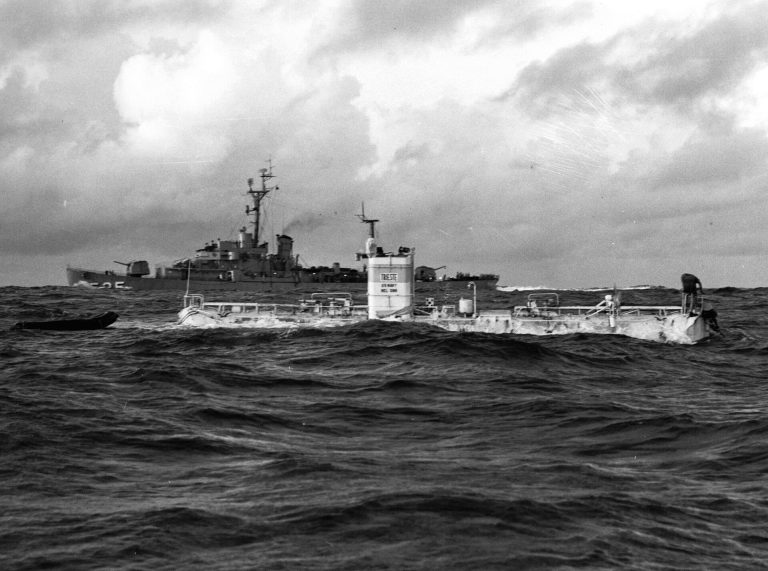
The Challenger Deep in the Mariana Trench is the deepest point on Earth. Two men first reached it in the bathyscaphe Trieste in 1960; nobody returned until James Cameron in 2012, and since 2019 the dives have become more frequent.
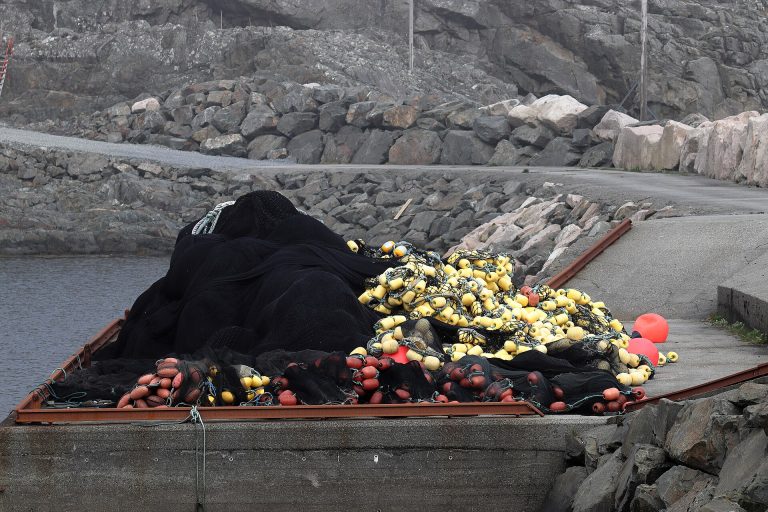
In 1992 the northern cod off Newfoundland fell to 1% of its historic level and Canada closed a fishery that had shaped its east coast for 500 years. It remains the best-known warning about overfishing.