The Unopened Tomb of China’s First Emperor
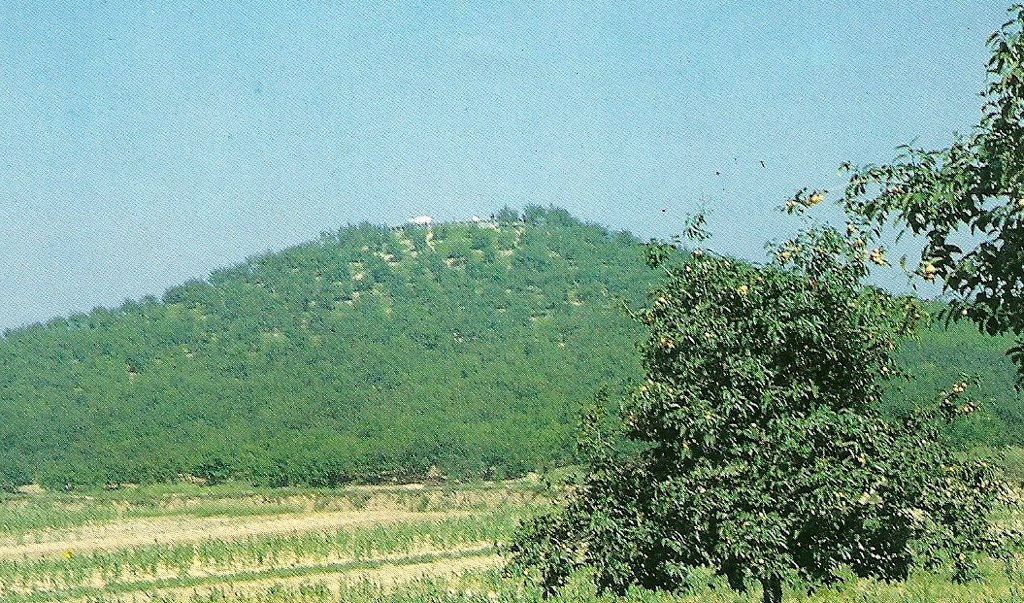
In March 1974, villagers digging a well near Xi’an in China struck fragments of clay warriors and bronze arrowheads. They had found the Terracotta Army, about 7,000 figures in three pits that guard the tomb of Qin Shi Huang, the first emperor of a unified China. The tomb itself, under a mound 76 metres high, has never been opened.
A city for the dead
Work on the mausoleum began in 246 BC, when the future emperor came to the throne aged 13, and full-scale construction started after he unified China in 221 BC. It was completed in 208 BC. Its plan copies the Qin capital, Xianyang, with an inner and an outer city 2.5 km and 6.3 km around.
What the historian wrote
About a century later, the historian Sima Qian described the tomb in his Records of the Grand Historian:
- 700,000 men were sent from across the empire to build it, digging through three layers of groundwater.
- It was filled with rare artefacts and treasure, and craftsmen set crossbows to shoot anyone who entered.
- Mercury was made to flow like the hundred rivers, the Yangtze, the Yellow River and the sea, beneath representations of the constellations.
Later stories say the rebel Xiang Yu looted the tomb after the dynasty fell, and that a shepherd accidentally set it on fire.
What science has found
Surveys show a large amount of metal in the underground palace and a good drainage system. An underground dam and drainage system found in 2000 suggests the tomb was not flooded by groundwater. Abnormally high levels of mercury have been measured in the mound, which lends weight to Sima Qian’s account of mercury rivers.
Why it stays closed
Opponents of excavation argue that current technology cannot yet preserve what an underground palace of this size would contain. The Terracotta Army is their warning: when the figures were first uncovered, archaeologists could not save the paint on their surfaces.
Photo: The tomb mound of Qin Shi Huang near Xi’an, photographed in 1987. By Nathan Hughes Hamilton from Sacramento, California, USA, Wikimedia Commons, CC BY 2.0.