Alvin: The Small Submarine That Opened Up the Deep Ocean
Alvin, a crewed research submersible owned by the US Navy and operated by the Woods Hole Oceanographic Institution, was commissioned on 5 June 1964 and has made more than 5,200 dives since. Research using it has appeared in nearly 2,000 scientific papers.
How it works
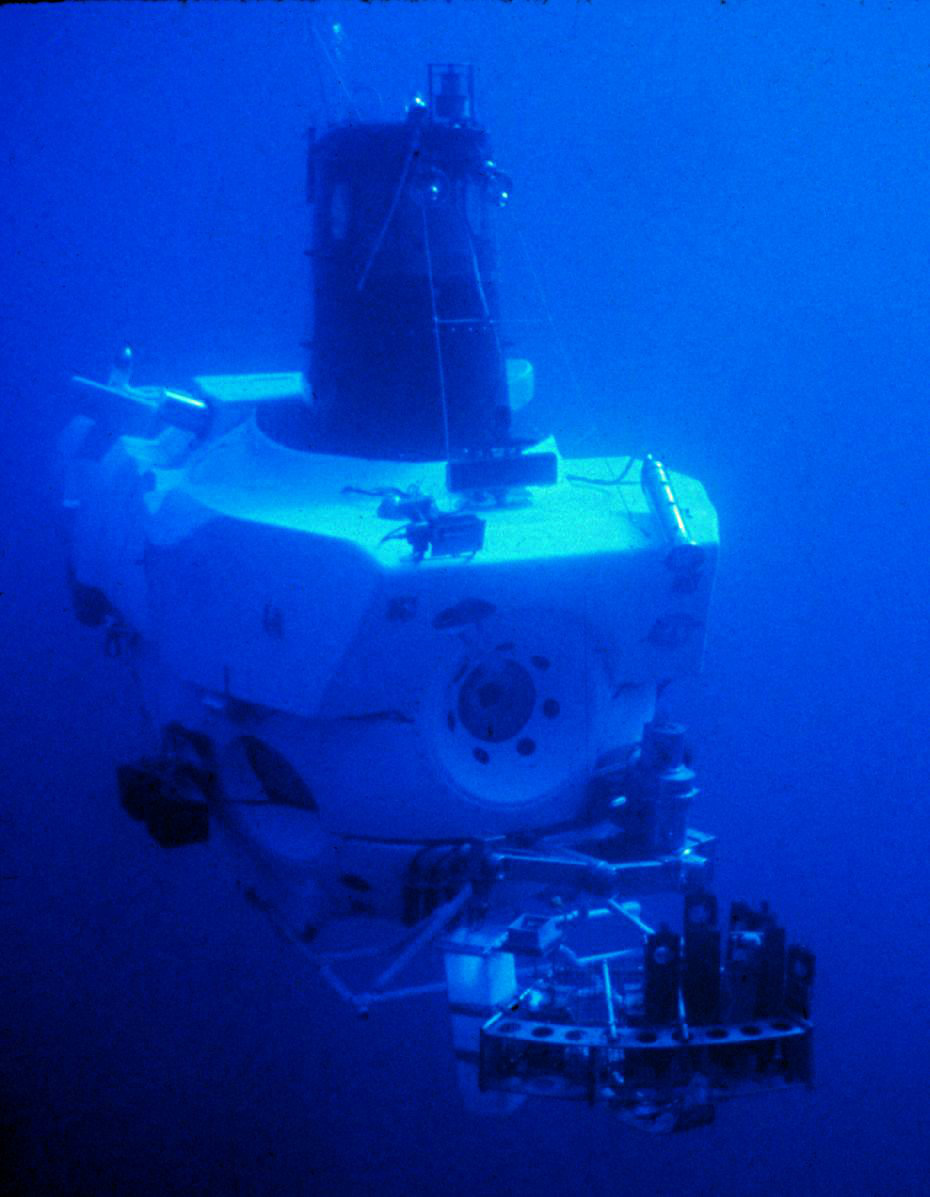
Alvin carries two scientists and a pilot. It was designed to be more manoeuvrable than the bathyscaphes before it, thanks in part to syntactic foam, a material buoyant enough to float and strong enough to build with at great depth. Today it weighs 17 tonnes, has two robotic arms, and can dive for up to nine hours to 6,500 metres. It was named after Allyn Vine, the driving force behind its creation.
Six decades of dives
- 1966: helped locate a hydrogen bomb lost at sea after a US Air Force mid-air accident.
- 1968: sank while being lowered from its support ship when two cables snapped; the three crew aboard escaped. It was photographed upright on the Atlantic floor in 1969 and later recovered.
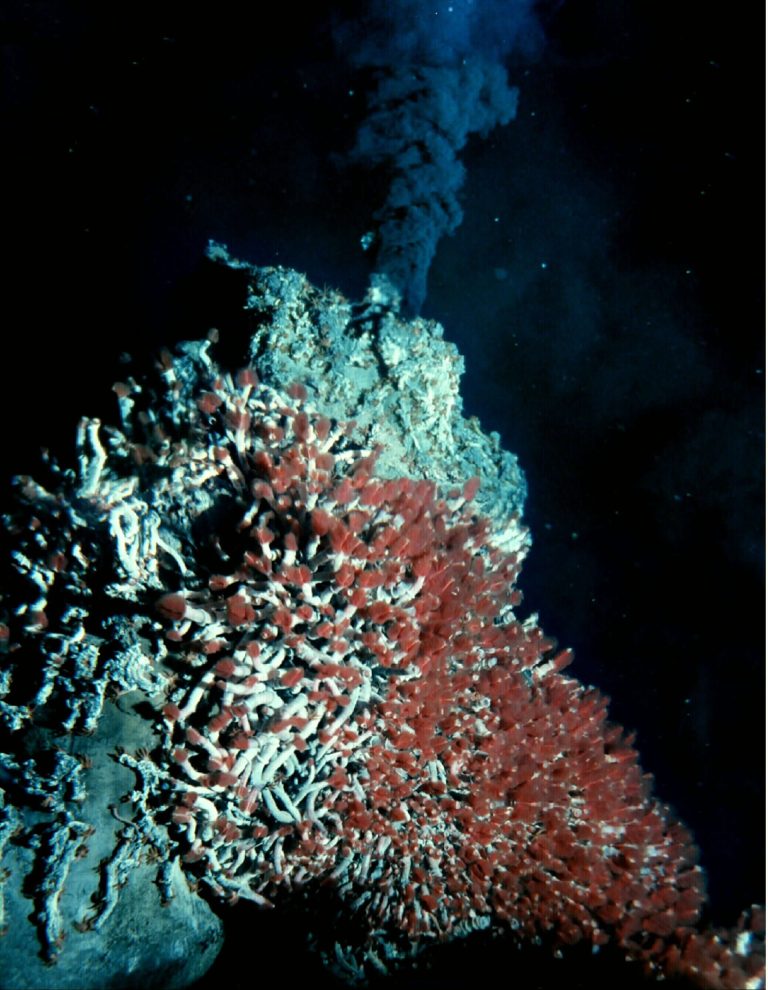
- 1977: scientists aboard discovered hydrothermal vents on the Galápagos spreading centre, together with the communities of life around them.
- 1986: carried Robert Ballard and two companions to the wreck of the Titanic for twelve dives, and surveyed the wreck of the submarine USS Scorpion.
- 2014: explored the site of the 2010 Deepwater Horizon oil spill.
Still diving
Alvin has been rebuilt and upgraded several times, among them in 1973 and 2006, and it is still launched from its support ship, RV Atlantis, to observe life that copes with crushing pressure and total darkness.
Photo: Alvin, the deep-ocean research submersible, in August 1978. By NOAA, Wikimedia Commons, Public domain.