Going Deep: The Crewed Dives to the Bottom of the Challenger Deep
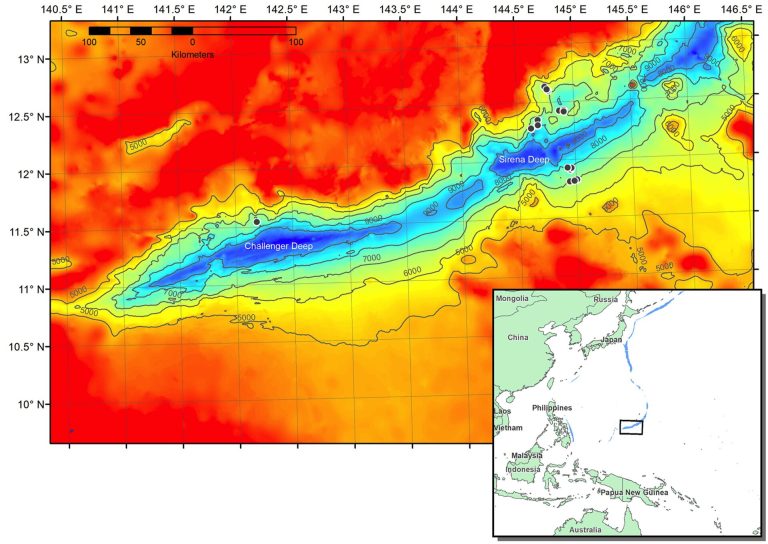
The Challenger Deep, in the Mariana Trench of the Pacific Ocean, is the deepest known point of the Earth’s seabed, about 11 kilometres down. Reaching it with people on board took decades of engineering.
The first descent: Trieste, 1960
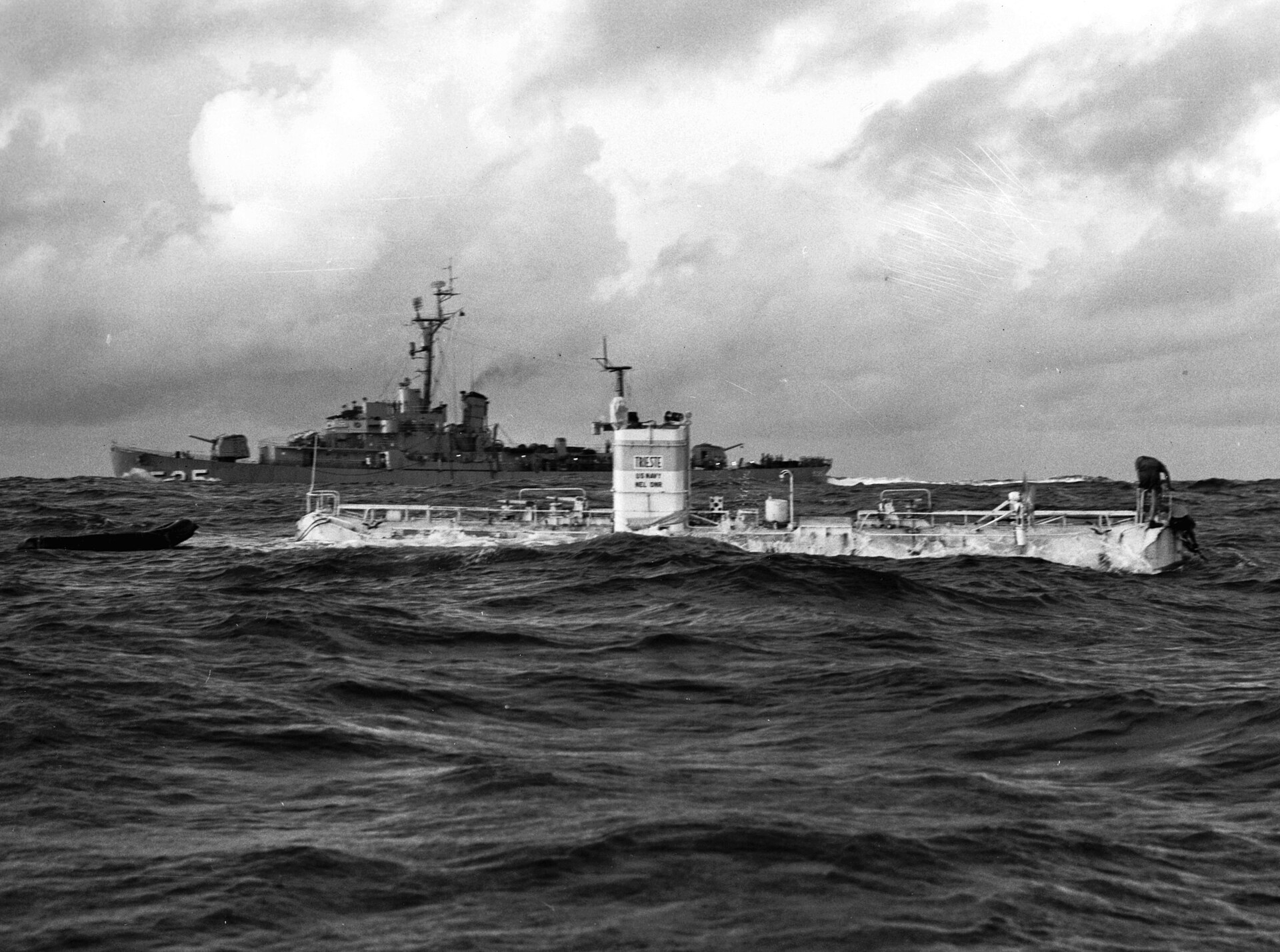
In 1960 the bathyscaphe Trieste, piloted by the Swiss oceanographer Jacques Piccard and US Navy lieutenant Don Walsh, became the first crewed vessel to reach the bottom of the Challenger Deep, at about 10,916 metres. It was the final goal of Project Nekton, a series of US Navy dives near Guam.
Trieste was designed by Jacques’s father, the Swiss scientist Auguste Piccard, built in Italy and launched in 1953. Its crew sat in a heavy sphere hung beneath a hull of tanks filled with petrol for buoyancy, with hoppers of iron shot as ballast. It is now on display at the National Museum of the United States Navy in Washington, D.C.
Fifty-two years later: Deepsea Challenger, 2012
Nobody went back until 26 March 2012, when the film director James Cameron took the one-person submersible Deepsea Challenger to the bottom after a descent of two hours and 36 minutes. The 7.3-metre craft was built in Sydney. Its key material was a new syntactic foam developed by the Australian engineer Ron Allum: tiny hollow glass spheres set in epoxy resin, strong enough for the pressure at 11 kilometres and making up about 70% of the craft’s volume. It replaced the petrol tanks Trieste had needed to float.
The deep becomes routine
- 2019: Victor Vescovo’s DSV Limiting Factor made several dives to the Challenger Deep, as well as to the deepest points of the Southern and Indian Oceans.
- 2020: Kathryn Sullivan and Vanessa O’Brien, diving with Vescovo, became the first women to reach the bottom, at 10,925 metres.
- 10 November 2020: China’s Fendouzhe (“Striver”) reached the Challenger Deep with three people aboard, the largest crew yet.
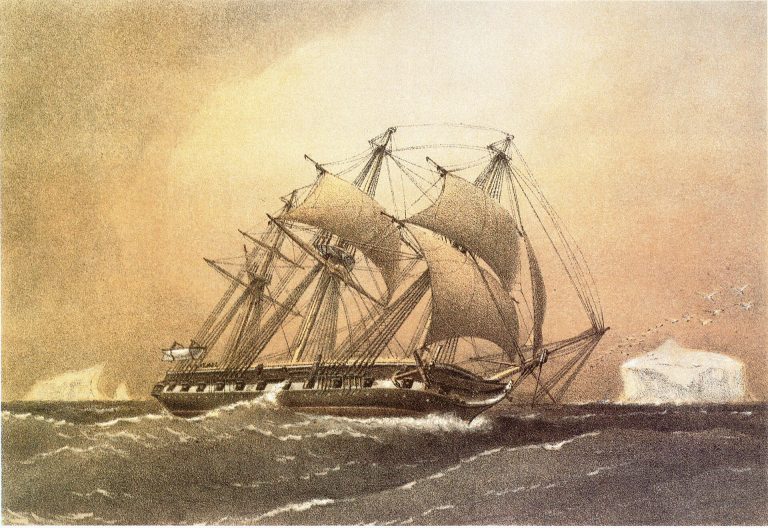
Deep-sea science began long before any of these dives. The British expedition of HMS Challenger, from 1872 to 1876, covered 127,653 kilometres and discovered more than 4,700 new species of marine life. The deep it was named after is still among the least visited places on the planet.
Photo: The bathyscaphe Trieste with USS Lewis over the Mariana Trench on 23 January 1960, the day of its record dive. By U.S. Navy (Naval History and Heritage Command), Wikimedia Commons, Public domain.