Inside the Svalbard Seed Vault, the World’s Backup for Crops
Dug 130 metres into an Arctic mountain and kept at −18 °C, the Svalbard Global Seed Vault holds 1.35 million seed samples. Seeds have been taken out only twice, for Syria’s gene bank.
Renewable energy, waste and the technology that tries to fix old environmental problems.
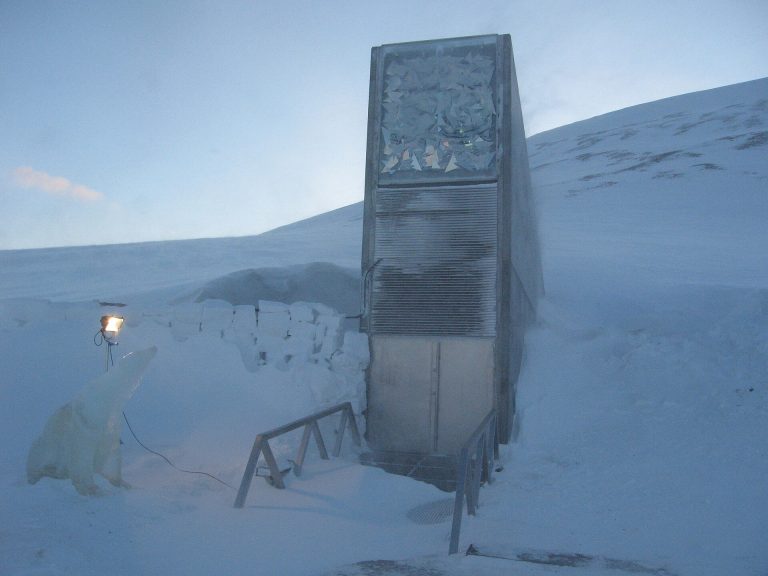
Dug 130 metres into an Arctic mountain and kept at −18 °C, the Svalbard Global Seed Vault holds 1.35 million seed samples. Seeds have been taken out only twice, for Syria’s gene bank.
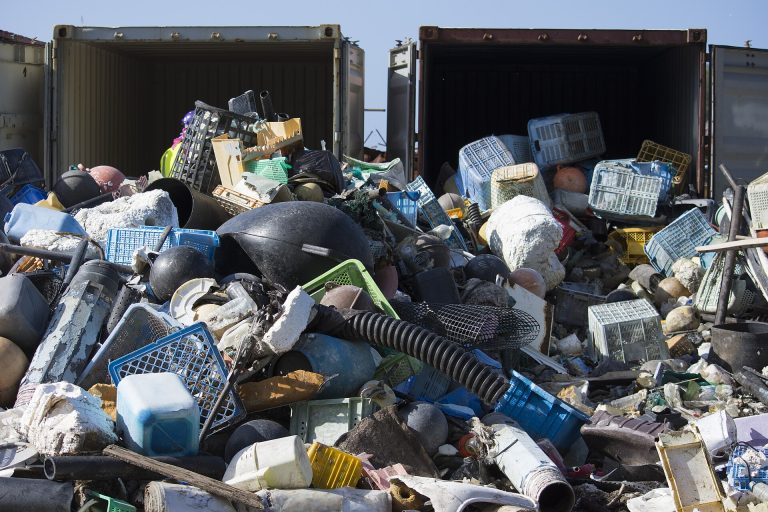
The Great Pacific Garbage Patch is not a floating island but a vast, thin soup of plastic. Researchers estimated it at 1.6 million km² and up to 129,000 tonnes of plastic in 2018.

On 4 May 2012 the catamaran Tûranor PlanetSolar returned to Monaco after 584 days, the first solar electric vehicle to go around the globe. Its 537 m² of panels powered two electric motors.
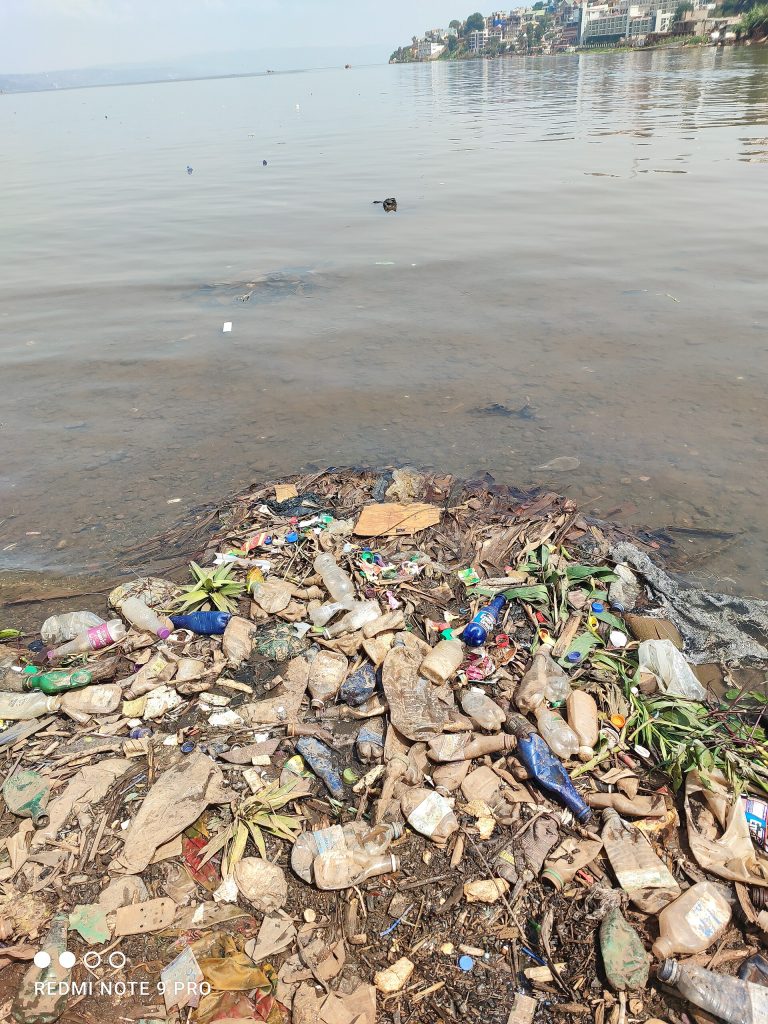
Heating plastic without oxygen can break it down into a synthetic fuel. The technology works, and synthetic diesel from plastic is made commercially, but it has struggled to compete with simply burning the waste.
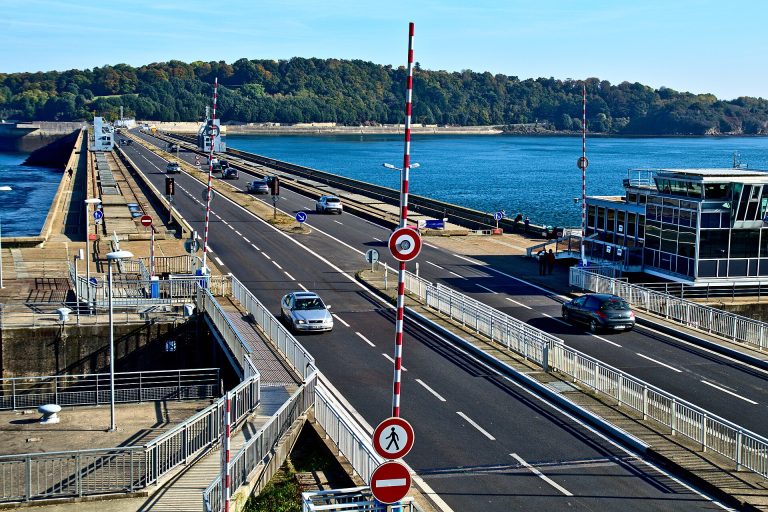
Tides are more predictable than wind or sunshine. France’s Rance station has turned them into electricity since 1966, South Korea’s Sihwa Lake since 2011, and Scotland’s MeyGen uses turbines on the seabed.