The Great Pacific Garbage Patch Is Not an Island. Here Is What It Is
The Great Pacific Garbage Patch is a gyre of marine debris in the central North Pacific, roughly between 135°W and 155°W and 35°N and 42°N. Its plastic comes from around the Pacific Rim: Asia, North America and South America.
Not an island of rubbish
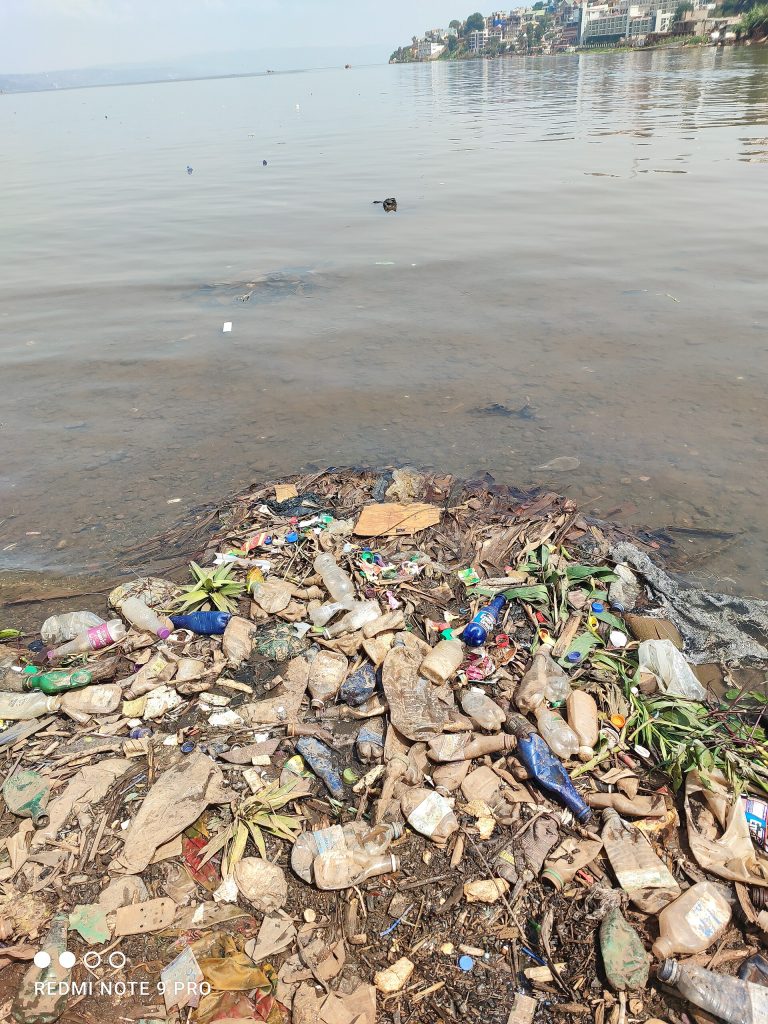
It is often imagined as a floating island. It is not. Its density is about 4 particles per cubic metre, too thin to show on satellite images or to be noticed by most boaters or divers. Most of the particles are microplastics, “fingernail-sized or smaller”, suspended in the upper water. By weight, though, 92% of the patch is larger objects, including lighters, toothbrushes, bottles, pens and plastic bags, some more than 50 years old.
How big it is
Researchers from the Ocean Cleanup project estimated in 2018 that the patch covered 1.6 million km² and held between 45,000 and 129,000 tonnes of plastic. The patch is believed to have grown tenfold every decade since 1945, and it holds about six pounds of plastic for every pound of plankton. By the end of 2024 the Ocean Cleanup had removed more than a million pounds of rubbish from it, about 0.5% of the total.
How it was found
A 1988 paper from the US National Oceanic and Atmospheric Administration predicted that debris would collect where currents create stable waters, naming the North Pacific Gyre. In 1997 Charles Moore, sailing home from a yacht race, reported crossing a huge stretch of floating debris there. The oceanographer Curtis Ebbesmeyer then called it the “Eastern Garbage Patch”. A similar patch has since been found in the North Atlantic.
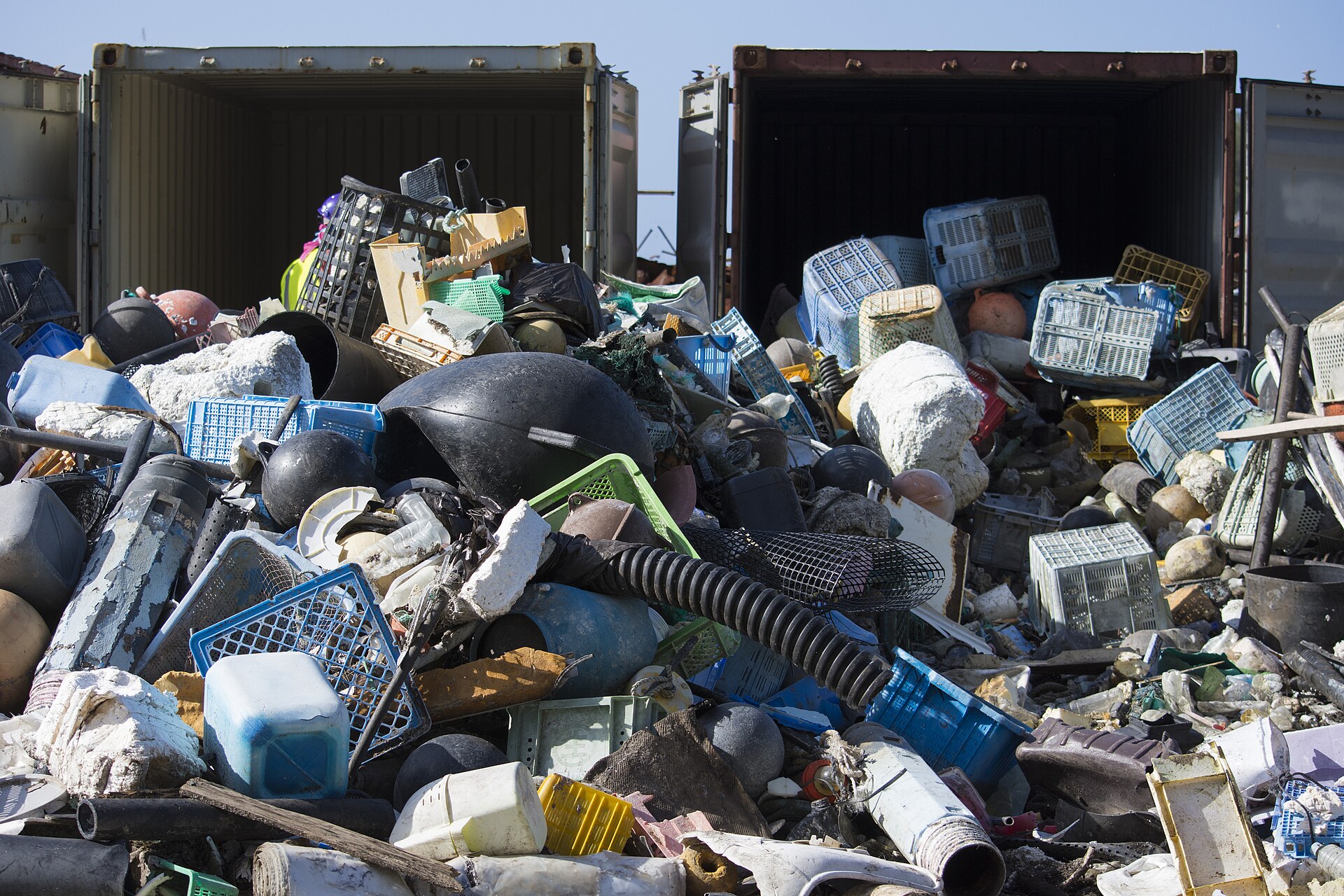
Photo: Marine debris collected on Midway Atoll in the North Pacific. By USFWS Pacific, Wikimedia Commons, Public domain.