Conservation Refugees: When Protecting Nature Means Moving People Out
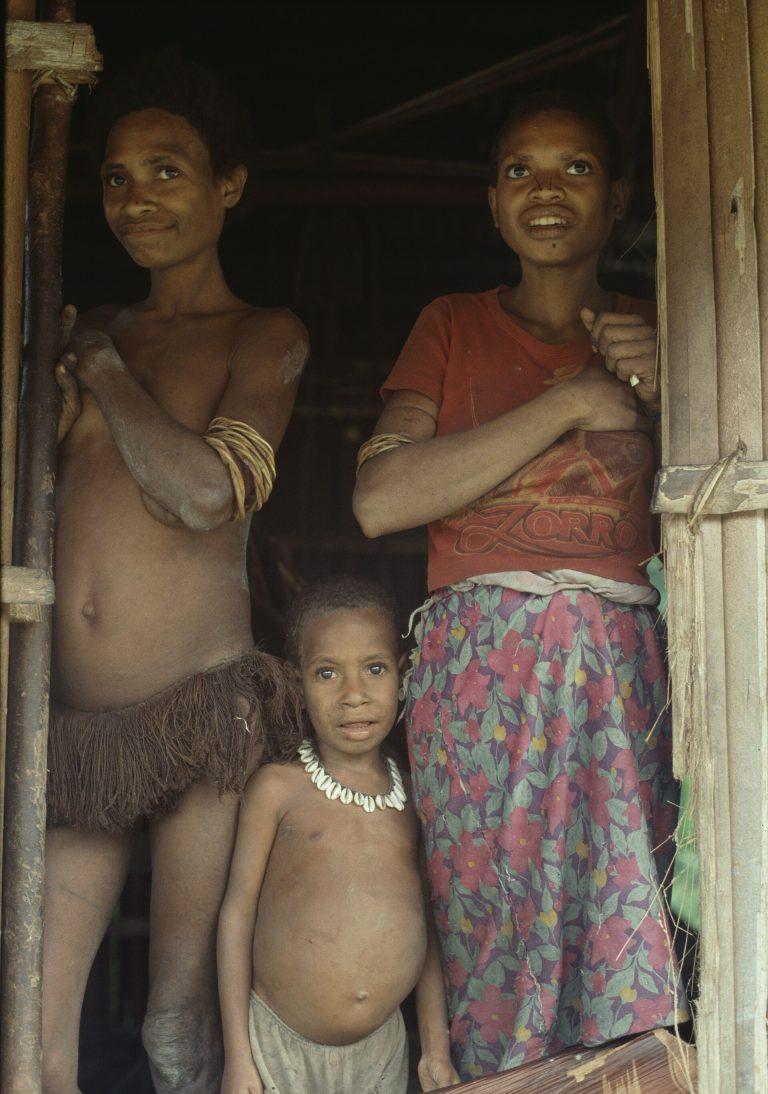
Conservation refugees are people, usually indigenous, who lose their land when a national park or another protected area is created on it. Many were already on the margins before the reserve arrived. Afterwards, they often live at the edges of towns or in new settlements with few opportunities, and some end up in camps. Facing governments and large international organisations, they rarely have a legal way to win their land back.
“Fortress conservation”
The idea behind these evictions has a name: fortress conservation, the belief that nature is best protected by sealing it off from people. It is also called the Yosemite model. The American conservationist John Muir argued that wilderness should be cleared of inhabitants, and the US Wilderness Act of 1964 defined wilderness as a place “where man himself is a visitor who does not remain”.
Critics such as the writer Mark Dowie, whose article “Conservation Refugees” appeared in Orion magazine, argue that removing people can backfire. Indigenous land management is the result of generations of living with a place, and ending it may reduce biodiversity rather than protect it.
Two examples from Africa
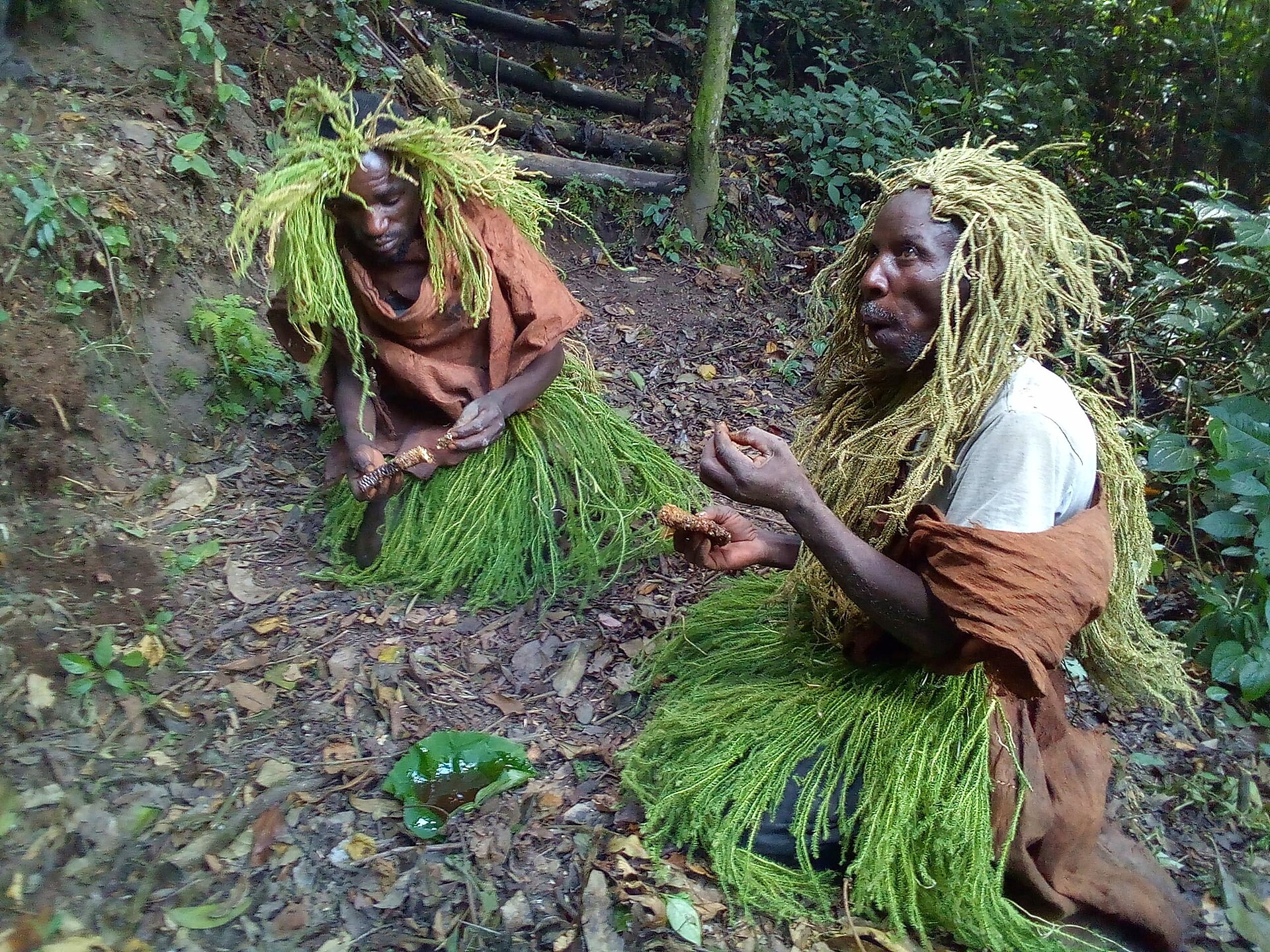
- The Batwa of the Great Lakes region were moved into conservation camps under rules that banned farming, hunting and gathering and closed off their sacred sites and burial grounds. A Batwa community member, Kwokwo Barume, told Dowie: “we are heading toward extinction”.
- The Maasai grazed their cattle across the Serengeti-Ngorongoro region. When the area was later divided into Serengeti National Park and the Ngorongoro Conservation Area, they were evicted from the park and allowed to stay only in restricted parts of the conservation area. A ban on cultivation there from the early 1970s was followed by a rise in malnutrition among Maasai children; after it was lifted in the early 1990s, malnutrition declined.
At the World Conservation Congress in Bangkok in November 2004, the Maasai leader Martin Saning’o told delegates, “We are enemies of conservation,” and reminded them that “we were the original conservationists”.
Why the debate is not over
The Kunming-Montreal Global Biodiversity Framework, agreed at the 2022 United Nations Biodiversity Conference, backs the “30 by 30” goal: protected status for 30% of the Earth’s land and ocean by 2030. How those areas are created, and whether the people living in them keep their land, will decide whether the goal produces more conservation refugees.
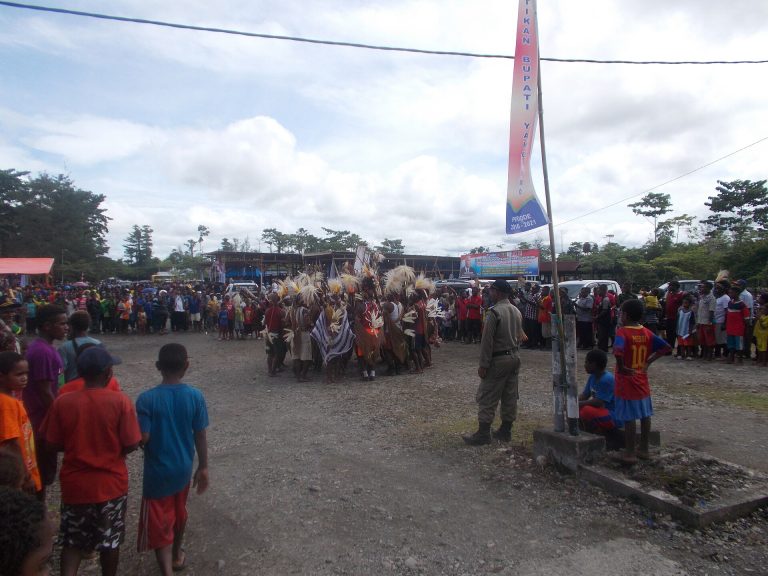
Photo: Batwa performers in traditional dress. By Ainembabazi leviticus, Wikimedia Commons, CC0.