China: The Great Escape – North Koreans on the Run
China: The Great Escape was an episode of Channel 4’s foreign-affairs series Unreported World, first broadcast on 17 April 2009. Made by Quicksilver Media, with Oliver Steeds as reporter and Sam Farmar as producer and director, it travelled to China’s remote border with North Korea, a place few journalists reach.
What the film reported
The programme followed the plight of thousands of North Korean women who had fled persecution and starvation, only to be forced into prostitution or sold as brides in China. Reviewing it, The Times described the border as “indescribably bleak”.
Why people cross
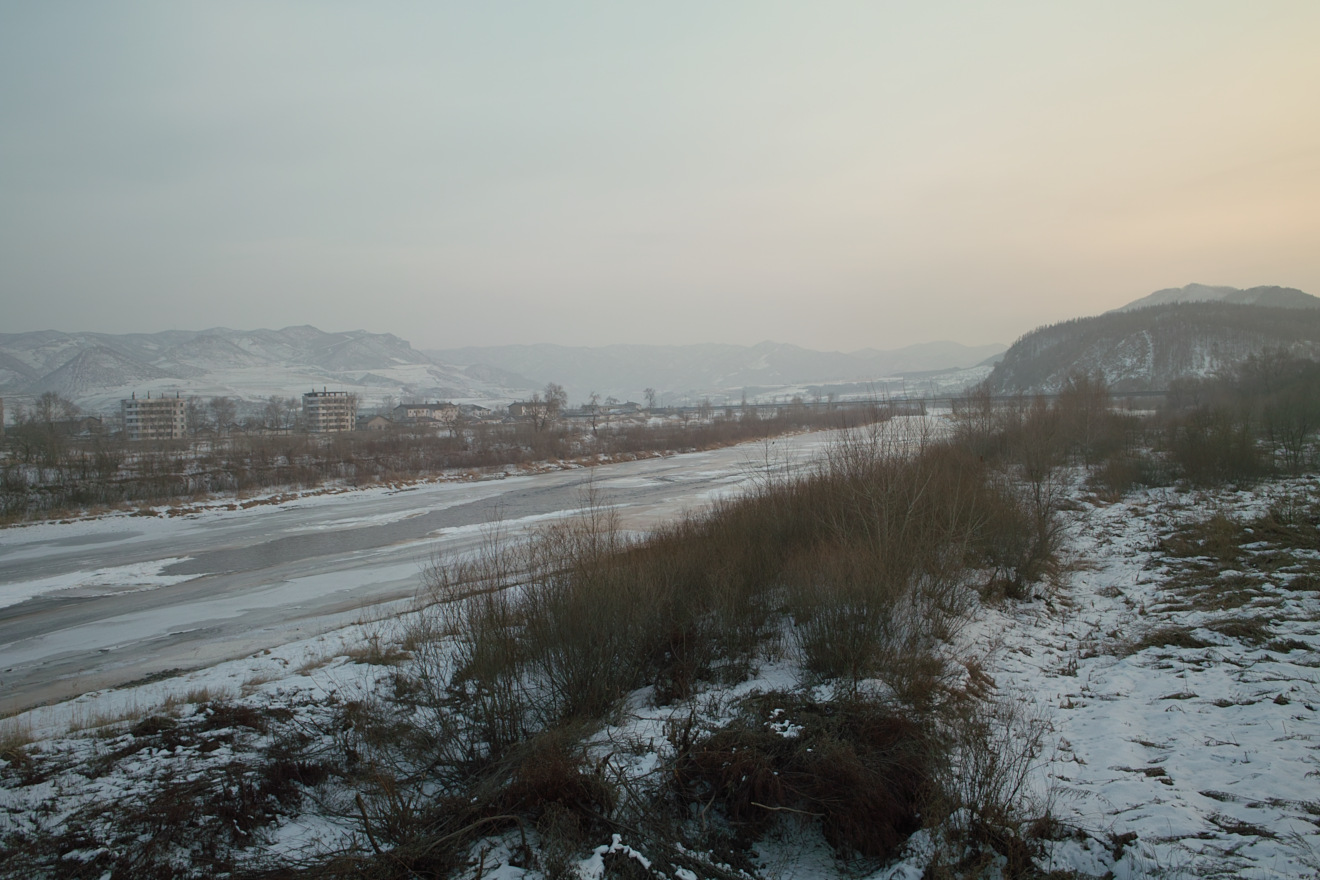
Defections from North Korea rose steeply towards the end of the famine of the 1990s and peaked in 2009, the year the film was shown. Most defectors cross the border into the Chinese provinces of Jilin or Liaoning, often over the Tumen or Yalu rivers.
- China does not grant North Koreans refugee status. It treats them as illegal migrants and, with few exceptions, sends them back.
- Human-rights groups say those returned can face torture, imprisonment in labour camps or worse.
- Many defectors are women. Before 2009, more than 70 per cent of female North Korean defectors were victims of human trafficking, often sold for 3,000 to 10,000 yuan; marriage brokers targeted women as soon as they crossed.
- Researchers put the number of North Koreans hiding in China near the border at around 11,000 in 2009.
Since then
After the 2009 peak the number fell sharply, with stricter border patrols and forced returns, and after Kim Jong Un took power in 2011. By 2018 arrivals in South Korea were trending below a thousand a year, down from 2,914 in 2009.
Photo: The Tumen River on the border between North Korea and China, seen from the Chinese side in winter. By Farm, Wikimedia Commons, CC BY-SA 3.0.